
The rash didn’t appear because of the incontinence. It appeared because of how it was being managed.
That’s the part most people miss. Incontinence itself is the starting point, but the skin damage that follows is almost always made worse by small, avoidable mistakes in the daily routine. A wrong product here, a rushed cleanup there, and skin that was mildly irritated becomes genuinely painful.
Here’s what those mistakes look like, and how to stop making them.
First, Understand What’s Actually Happening to the Skin
Prolonged and repeated exposure of the skin to urine or faeces can lead to incontinence-associated dermatitis (IAD) an irritant contact dermatitis characterised by pain, redness, maceration, and erosion, very often associated with secondary infection.
IAD affects between 18% to 45.7% of people with incontinence. It’s not rare, and it’s not minor. Left unmanaged, it can progress from surface redness to open skin breakdown.
The good news: most of it is preventable. The mistakes below are where things typically go wrong.
Mistake 1: Waiting Too Long to Change
The main cause of IAD is when the skin is exposed to urine or stool, usually because of infrequent cleansing and garment changes.
The longer moisture sits against skin, the more damage it causes. This applies even to high-absorbency products. Overnight incontinence underwear is designed for extended wear but that doesn’t mean it should be worn indefinitely past saturation point.
For caregivers managing someone overnight: look for products with a wetness indicator. It removes the guesswork without requiring a full check that disturbs sleep.
Mistake 2: Using Fragranced or Harsh Wipes
Scented wipes feel like they’re doing more. They’re usually doing harm.
When cleansing, use mild, fragrance-free products specific to incontinence care to avoid irritation and worsening symptoms of rashes or broken skin. Fragrances and alcohol, common in standard wipes, strip the skin’s natural barrier and trigger or worsen allergic contact dermatitis, especially in older adults whose skin is already more vulnerable.
Use pH-balanced, fragrance-free, hypoallergenic wipes. That’s the only kind that belongs in this routine.
Mistake 3: Scrubbing Instead of Patting
This one is easy to overlook because it feels thorough. It isn’t.
Gently apply a clean washcloth to the area, if it feels like you’re breaking any scabs or rashes open, gently wipe back and forth instead of scrubbing vigorously. Delicate skin plagued by dryness or irritation is sensitive.
Friction is a direct cause of skin breakdown. Scrubbing irritated skin doesn’t clean it better, it damages it faster.
Mistake 4: Applying a Fresh Product Before the Skin Is Dry
Once the area is cleaned, allow it to dry fully before applying another product. Long-term exposure to moisture, even clean moisture, can proliferate skin problems and create a breeding ground for infection.
Putting on a fresh disposable adult brief or adult disposable underwear over damp skin traps moisture immediately, undoing the purpose of the change entirely. Pat dry, let air circulate briefly, then apply barrier cream before the next product goes on.
Mistake 5: Skipping Barrier Cream
Barrier cream is not optional for anyone dealing with regular incontinence. It creates a physical layer between skin and moisture, the main thing IAD prevention depends on.
Careful attention to skin cleansers, regular and liberal applications of a moisturiser, and the use of a barrier cream are key to preventing further incontinence-associated dermatitis.
Apply it at every change, not just when irritation is visible. By the time redness appears, the skin barrier is already compromised.
Mistake 6: Using a Non-Breathable Product
IAD is triggered by increased skin surface moisture, irritants from urine, increased skin temperature due to occlusive diapers, and repeated cleansing activities.
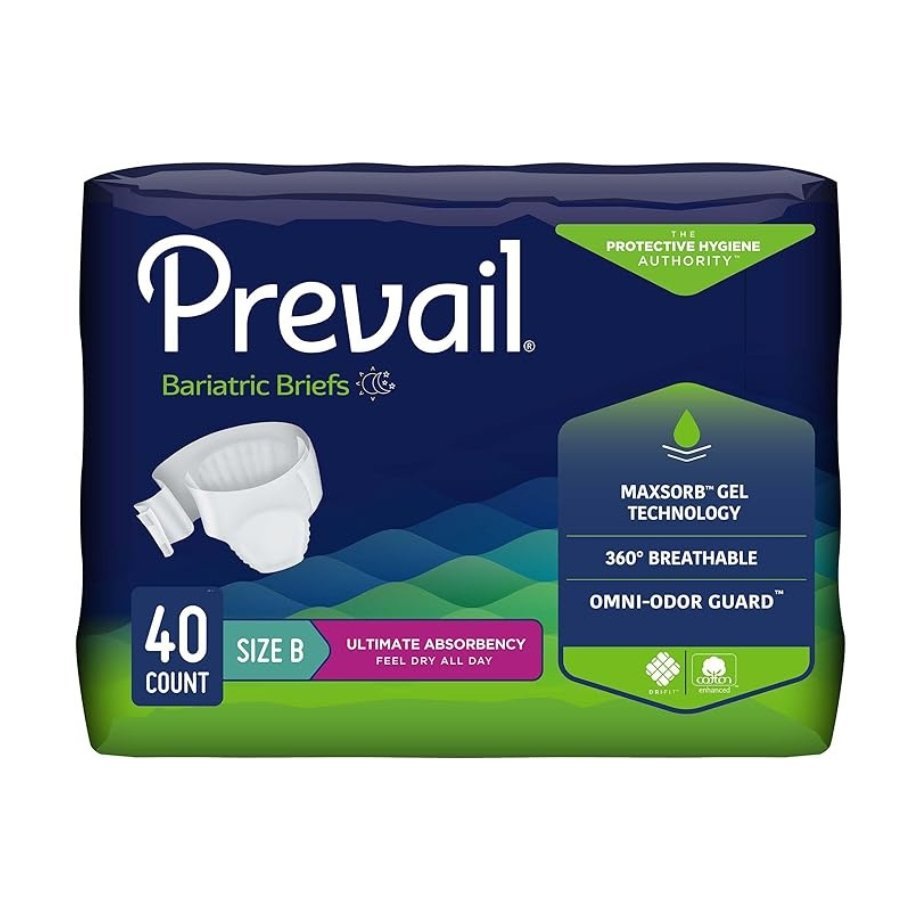
A product that traps heat and humidity accelerates every one of those triggers. Breathable adult diapers, those with a cloth-like, airflow-enabled outer layer reduce heat buildup and let moisture evaporate rather than accumulate against the skin. For anyone prone to irritation, this isn’t a comfort feature. It’s a skin health necessity.
Mistake 7: Using the Wrong Product for the Time of Day
Daytime and nighttime needs differ significantly. Nighttime incontinence often involves larger volumes of urine over longer periods, requiring higher absorbency and leak guards. Using a standard daytime diaper at night can result in leaks, disturbed sleep, and increased laundry.
A daytime disposable adult brief saturates faster overnight, meaning skin sits in moisture longer exactly what causes IAD to develop and worsen. Overnight incontinence underwear is built for extended wear with a higher-capacity core and better skin-facing materials.
The Pattern Behind All of These Mistakes
Most incontinence skin problems don’t come from one big error. They come from several small ones compounding over days, a slightly wrong product, cleansing that’s a bit too rough, changes that happen a little too late.
Fix the routine, not just the product.
At Signature LTC Supplies, we carry breathable adult diapers, overnight incontinence underwear, and disposable adult briefs chosen for skin comfort and reliable protection. Because managing incontinence well means protecting skin at every step, not just containing leaks.
Browse our incontinence range and find what works for your situation.