
If you’ve ever tried to introduce incontinence products to an aging parent or loved one, you may have run into a wall. A firm “no.” A change of subject. Sometimes frustration or even anger.
This is more common than most caregivers expect and it’s rarely about stubbornness. Behind most refusals is something deeper: fear, embarrassment, a sense of loss, or simply a product that didn’t work well the first time around.
Understanding why a senior is refusing is the most important step toward finding a solution that actually works. This article breaks down the most common reasons and what tends to help in each case.
Why This Conversation Is Worth Having
Unmanaged incontinence carries real risks. Skin breakdown, urinary tract infections, falls from rushing to the bathroom, and social withdrawal are all more likely when incontinence goes unaddressed.
The goal isn’t to pressure someone into wearing something they hate. It’s to find a solution whether that’s a different product, a different approach, or simply giving the conversation more time that protects their health and preserves their quality of life.
Reason 1 – The Word “Diaper” Itself
For many seniors, the word “diaper” is the first barrier. It carries strong associations with infancy and dependency, the opposite of how most adults see themselves, regardless of age or health.
This isn’t vanity. It’s a deeply human response to language that feels diminishing.
What helps
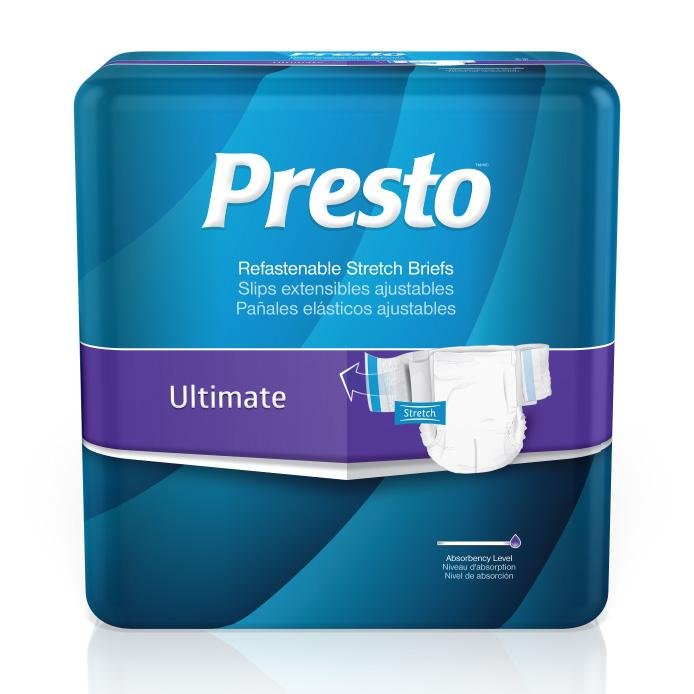
The language shift matters more than it might seem. Products like disposable incontinence underwear or breathable adult diapers are increasingly marketed under terms like “protective underwear,” “incontinence briefs,” or simply “adult underwear” and for good reason.
When introducing these products, using neutral language consistently makes the conversation easier. Referring to them as underwear, briefs, or protective products rather than diapers removes some of the emotional charge and makes the transition feel less loaded.
Reason 2 – I Don’t Need It — I Can Make It to the Bathroom”
Many seniors underestimate how much leakage is actually occurring, or genuinely believe they’re managing well enough without products. This is especially common in the earlier stages of incontinence, where accidents are occasional rather than frequent.
Others are aware of the leakage but feel that wearing a product signals a level of dependency they’re not ready to accept.
What helps
Rather than arguing the point, reframing the product often works better. Disposable incontinence underwear isn’t just for people who “can’t make it”, it’s a precaution that allows people to stay active, go out, and not have to think about it constantly.
Framing it as a tool for freedom rather than a response to failure tends to land better. “This means you won’t have to worry about it when we’re out” is a different message than “you need this because you’re having accidents.”
Reason 3 – Discomfort — Past Products That Felt Awful
A lot of seniors who refuse incontinence products have already tried one. And many early experiences with poorly fitted, stiff, or plasticky products were genuinely uncomfortable.
If the first product felt bulky, made noise under clothing, caused skin irritation, or simply didn’t stay in place, it’s reasonable that someone wouldn’t want to try again.
What helps
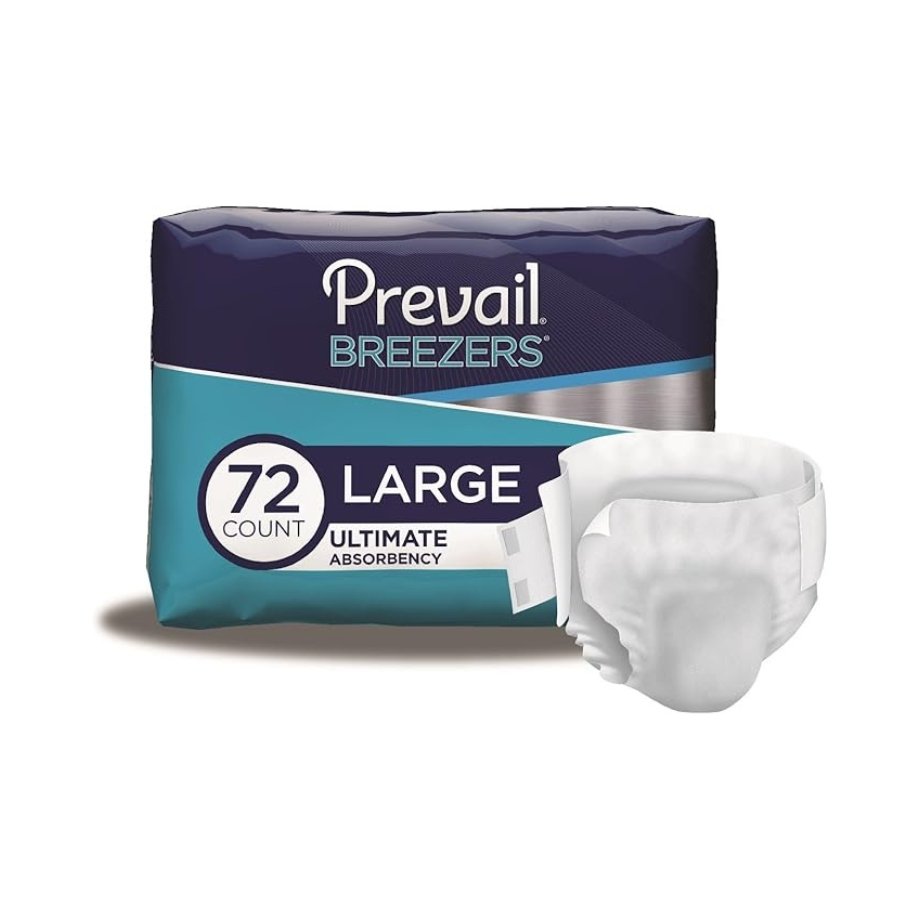
Modern breathable adult diapers and protective underwear are meaningfully different from older generations of incontinence products. Materials are softer, fits are closer, and many products now use moisture-wicking fabrics that keep skin drier than earlier designs.
If a past product created a bad impression, the answer is to try a different one rather than accept that all products feel the same. Offering to try a few options — without pressure to commit to any one of them — gives the person agency and a chance to find something that actually works for them.
Key features to look for when comfort has been an issue:
- Breathable panels that reduce heat and moisture buildup
- Soft, fabric-like outer layer rather than plastic-feeling material
- Elastic waistband and leg cuffs that move with the body
- Slim absorbent core for a lower profile under clothing
Reason 4: Fear of Others Noticing
Concern about visibility that someone will see or hear the product under clothing is one of the most consistent reasons seniors resist wearing incontinence products, particularly in social settings.
This is a practical concern, not an irrational one. Older product designs were often noticeable under lighter clothing and could make rustling sounds with movement.
What helps:
Current disposable incontinence underwear designed for everyday wear is built specifically with discretion in mind. Thin absorbent cores, quiet materials, and close-fitting designs mean that most products are genuinely undetectable under regular clothing.
For men specifically, incontinence underwear for men is now widely available in cuts that match the fit and appearance of regular briefs or boxer briefs making the transition from regular underwear feel far less dramatic.
Letting the person examine and feel the product before wearing it can help address this concern more effectively than reassurance alone. Seeing that it’s not bulky and doesn’t crinkle tends to reduce anxiety.
Reason 5 – “Wearing One Means I’ve Given Up”
This is perhaps the most emotionally significant reason, and the one that requires the most care in response. For some seniors, agreeing to wear incontinence products feels like crossing a line, an acknowledgment that things are getting worse, that independence is slipping away.
This feeling is real and deserves to be taken seriously rather than brushed aside.
What helps
The most effective approach here is usually not to push the product conversation at all at least not immediately. Instead, acknowledging the feeling directly tends to open more space.
“I know this feels like a big deal” is more useful than “it’s not a big deal at all.” Validating what the person is feeling, without agreeing that the product is a sign of decline, creates room for a different conversation later.
It also helps to point out that managing incontinence proactively with the right products is actually what keeps people active, independent, and out in the world. Avoiding the issue tends to lead to more restriction, not less.
Reason 6 – Nighttime Resistance — “I Only Have Issues at Night”
Some seniors are willing to manage daytime incontinence with bathroom schedules and caution, but draw the line at nighttime products. Nighttime accidents, however, carry their own set of risks: interrupted sleep, wet bedding, skin irritation from prolonged exposure, and the physical risk of getting up urgently in the dark.
What helps
Overnight incontinence underwear is specifically designed for this context. Higher absorbency, longer coverage zones, and leak guards at the back make overnight products meaningfully different from daytime ones.
Framing overnight products as a sleep solution rather than an incontinence solution often works better “this means you won’t have to get up as often” speaks to comfort and rest, not to the incontinence itself.
Bed pads used alongside overnight incontinence underwear add another layer of protection and can reduce the frequency of bedding changes, which is reassuring for both the senior and their caregiver.
Reason 7 – Nobody Asked What They Actually Wanted
Sometimes the refusal isn’t about the product at all, it’s about how the conversation happened. If products were introduced without discussion, placed in the bathroom without explanation, or brought up in front of others, the refusal may be more about feeling disrespected than about the product itself.
What helps
Approach the conversation privately, calmly, and without urgency. Ask what concerns they have. Ask what would make them more comfortable. Involve them in choosing a product rather than presenting one as a done decision.
People are far more likely to try something they helped choose. This applies to product type, brand, absorbency level, and even packaging. For men, being offered incontinence underwear for men that looks like regular underwear gives them a choice that feels more aligned with their identity.
The Bottom Line
Refusal is rarely the final word, it’s usually the beginning of a conversation that needs more time, more sensitivity, or a different approach.
Most seniors who eventually find an incontinence product that works describe wishing they’d made the change sooner. The right product, introduced the right way, removes a significant source of daily stress and allows people to stay engaged in their lives.
At Signature LTC Supplies, we carry breathable adult diapers, overnight incontinence underwear, disposable incontinence underwear, and incontinence underwear for men, a range of options suited to different needs, preferences, and levels of incontinence.