
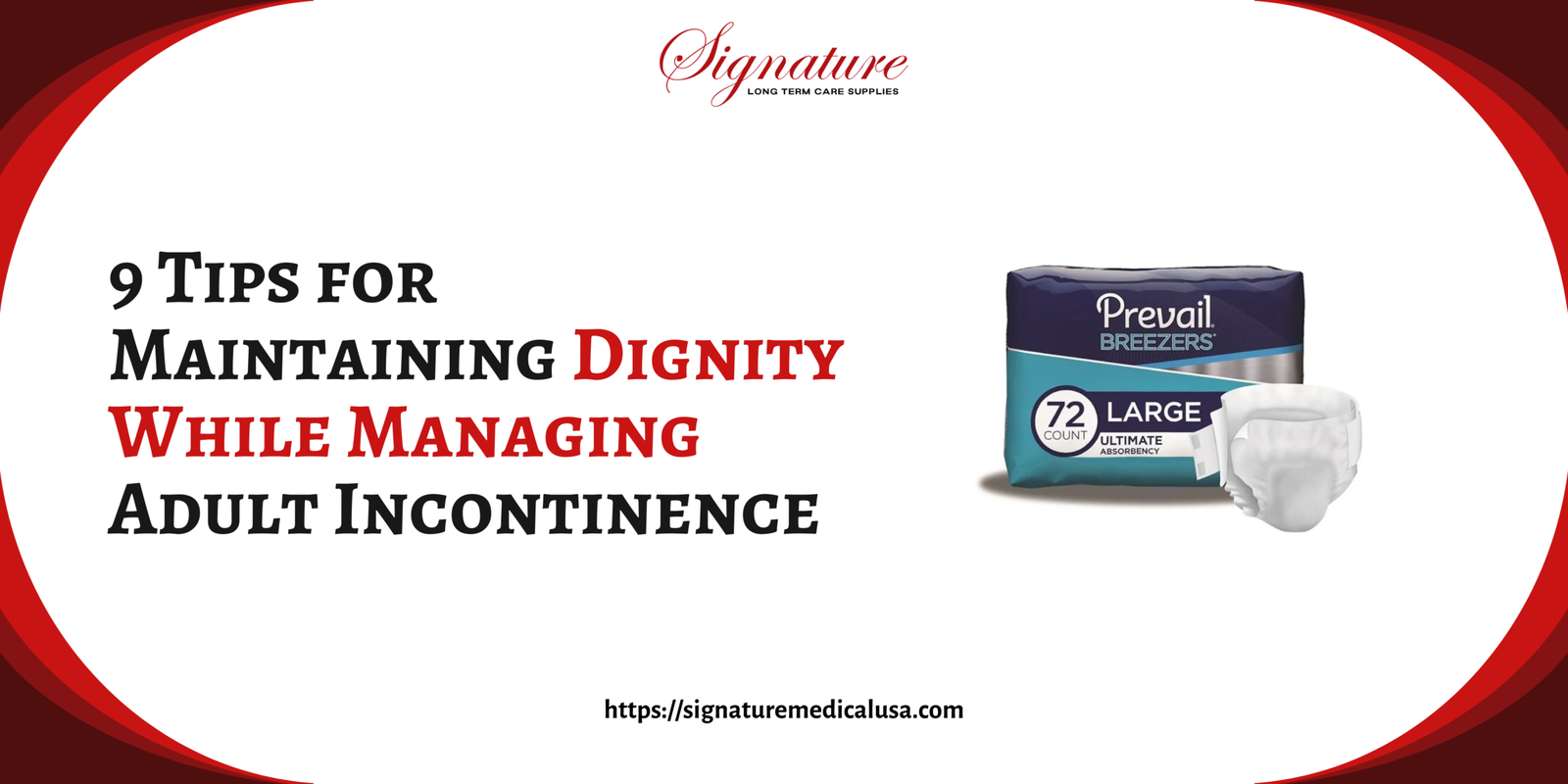
Incontinence is something millions of adults live with every day, yet it remains one of the most under-discussed health topics. For many people, the emotional weight of managing it can feel just as heavy as the physical side. Worry about leaks, concerns about odor, the fear of an accident in public, these things affect confidence and quality of life in real ways.
But here’s what’s worth knowing: incontinence is manageable. With the right products, habits, and mindset, most people find ways to stay active, comfortable, and fully in control of their daily lives.
These nine tips are written for adults managing incontinence themselves, and for family members or caregivers supporting someone who is. The goal is practical to help you or your loved one live well, not just cope.
1. Choose Products That Actually Fit
This sounds obvious, but it’s where a lot of people struggle. Ill-fitting products are one of the biggest sources of leaks, discomfort, and self-consciousness.
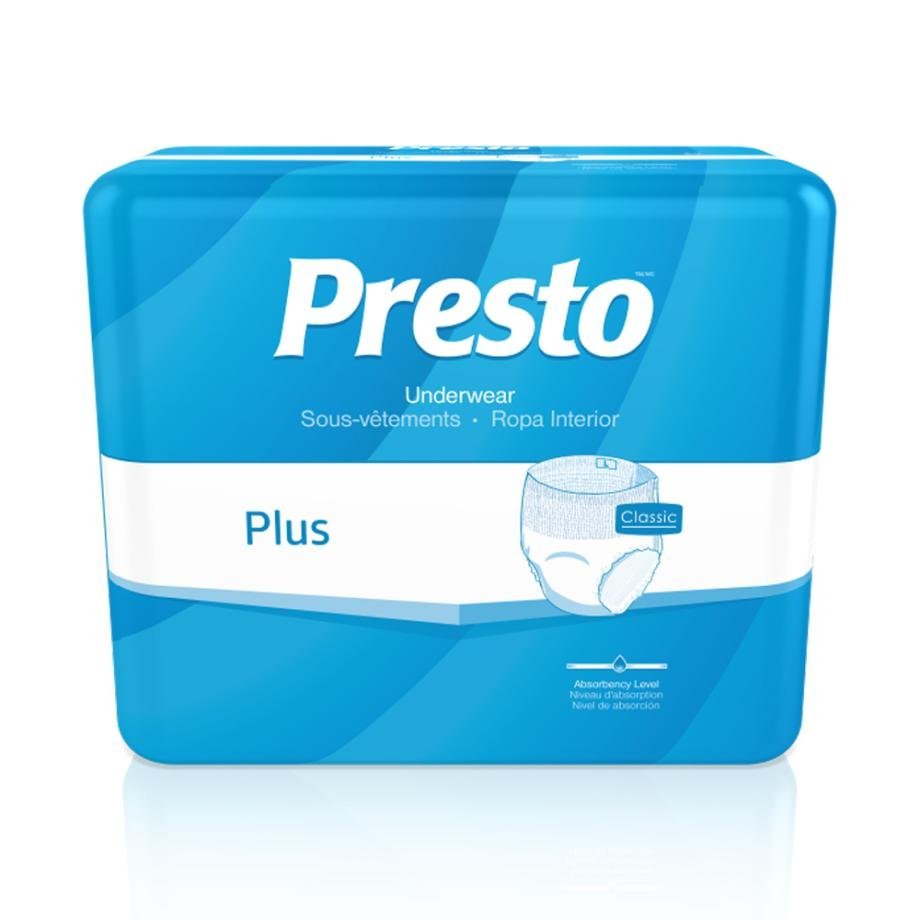
Disposable adult briefs and absorbent underwear for adults come in a range of sizes, absorbency levels, and styles. A product that’s too loose won’t provide reliable protection. One that’s too tight becomes uncomfortable and can cause skin irritation.
When selecting a product:
- Measure the hip and waist to find the right size rather than guessing
- Match absorbency to the level of incontinence light, moderate, or heavy
- Consider the activity level a more active person may need a product that stays secure during movement
Taking time to find the right fit makes a significant difference in both protection and confidence.
2. Understand the Difference Between Product Types
There are several types of incontinence products, and each serves a different purpose. Knowing which one fits your situation helps you make a more informed choice.
- Disposable protective underwear – Pulls on and off like regular underwear. Discreet, comfortable, and well-suited for people with light to moderate incontinence who are mobile and active.
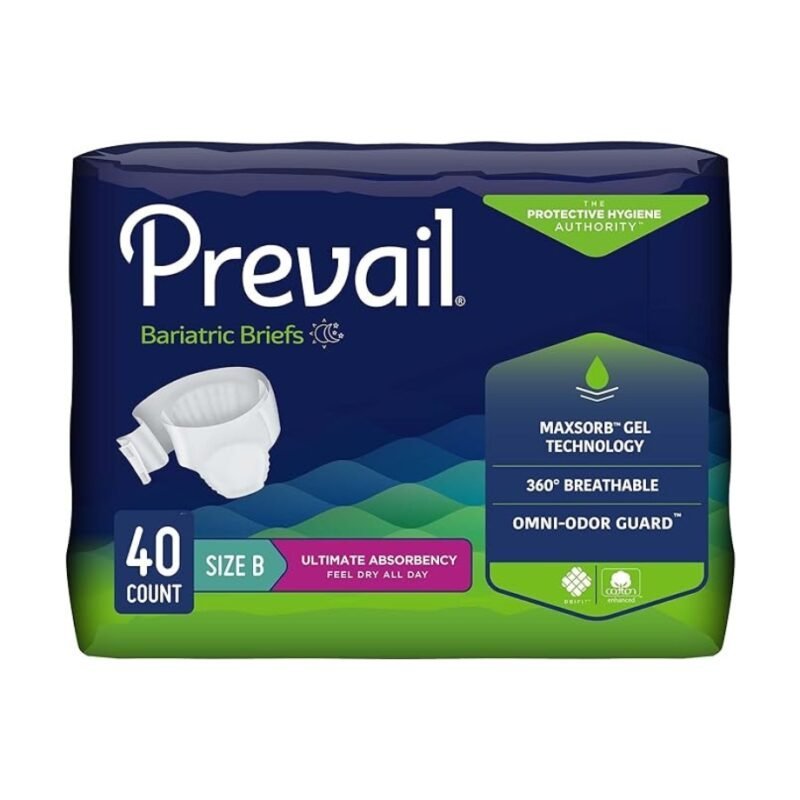
- Disposable adult briefs – Tab-style fasteners make these easier to put on and remove for people with limited mobility or who need assistance from a caregiver. Typically designed for moderate to heavy incontinence.
- Adult disposable underwear with added absorbency – Some products are designed specifically for overnight use, with higher absorbency to handle longer periods without changes.
- Liners and pads – For lighter, less frequent leakage, these fit inside regular underwear and offer a more minimal option.
Matching the product to the situation rather than defaulting to whatever’s most familiar goes a long way toward better protection and greater comfort.
3. Build a Simple, Consistent Routine
Managing incontinence is easier when it’s part of a predictable daily routine rather than something that’s handled reactively. A structured approach reduces the chance of accidents and removes some of the mental load.
A few habits worth building into the day:
- Timed voiding – Using the bathroom at regular intervals (every two to three hours, for example) rather than waiting for urgency can significantly reduce leaks for people with urge or stress incontinence
- Scheduled product changes – Changing briefs or absorbent underwear at regular times prevents prolonged skin exposure to moisture
- Morning and evening skin checks – A quick look for redness or irritation helps catch skin issues early
Consistency takes some of the unpredictability out of incontinence care, which in itself reduces anxiety.
4. Keep Supplies Organized and Accessible
Running out of supplies or having to search for them at the wrong moment adds stress. Keeping products organized and within reach both at home and when going out makes daily management significantly smoother.
At home:
- Store products in the bathroom, bedroom, or wherever changes typically happen
- Keep a small backup supply in a drawer or closet
Away from home:
- A discreet bag or pouch with a spare product, small wipes, and a disposal bag makes outings far less stressful
- Many people find that having supplies ready reduces the anxiety around being away from home, which in turn makes it easier to stay socially active
5. Don’t Let Incontinence Shrink Your World
One of the most significant ways incontinence affects quality of life is through avoidance. People stop going out, decline invitations, or give up activities they enjoy out of fear of an accident.
This is understandable, but it doesn’t have to be the pattern.
With well-fitted disposable protective underwear and a small travel kit, most activities remain entirely accessible. Many people find that once they have reliable products they trust, the anxiety around being out in public decreases considerably.
Start small if you need a short outing, a visit to a friend, a walk in the park. Building confidence with products and routines in lower-stakes situations makes it easier to feel secure in more involved ones.
6. Pay Attention to Skin Health
Skin health is closely tied to comfort and dignity in incontinence care. Moisture against the skin, even for short periods, can lead to irritation and breakdown if it’s not managed carefully.
Practical steps that help:
- Change adult disposable underwear or briefs promptly after episodes — don’t allow extended contact with moisture
- Use gentle, pH-balanced wipes for cleansing rather than rough cloths or standard toilet paper
- Apply a skin barrier cream or protective ointment after cleansing to help protect between changes
- Let skin air dry briefly before putting on a fresh product
Healthy skin is comfortable skin. And comfortable skin makes everything else easier.
7. Talk to a Healthcare Provider
Incontinence is a medical condition, not an inevitable part of aging that has to be silently endured. Many causes of incontinence are treatable or manageable with the right medical support, yet a significant number of people never bring it up with their doctor.
A healthcare provider can:
- Identify the type and underlying cause of incontinence
- Recommend pelvic floor therapy, which is effective for many people with stress or urge incontinence
- Review medications, since some common drugs can worsen bladder symptoms
- Refer to a continence nurse or specialist for more targeted support
Bringing this up with a doctor isn’t something to put off. The sooner it’s addressed, the more options are available.
8. Involve Caregivers with Sensitivity and Clarity
For people who rely on family members or professional caregivers for incontinence care, the relationship and communication around that care matters enormously.
Dignity in care comes from being treated as a whole person, not reduced to a condition. A few things that help on both sides:
- For caregivers: Approach care matter-of-factly, without drawing attention to the task or making the person feel embarrassed. Quick, calm, and efficient changes communicate respect.
- For the person receiving care: It’s reasonable to express preferences about timing, product type, or how you like things done. Communicating those preferences helps caregivers support you better.
- For both: Using neutral, non-infantilizing language around incontinence care helps preserve dignity. Referring to briefs as briefs, not diapers, is one small but meaningful example.
The goal of good care is always to support independence and comfort not to take over unnecessarily.
9. Give Yourself (or Your Loved One) Grace
Adjusting to managing incontinence takes time. There will be products that don’t work as expected, routines that need adjusting, and moments that feel frustrating or discouraging. That’s a normal part of the process.
What helps most is approaching it practically, focusing on what works rather than what doesn’t, making adjustments when needed, and recognizing that finding the right combination of products and routines is a process, not a one-time decision.
Many people who manage incontinence well describe reaching a point where it becomes simply part of their routine, not the defining fact of their day. That point is reachable.
Final Thoughts
Managing adult incontinence with dignity isn’t about hiding a problem. It’s about having the right information, the right products, and the right support to live as fully and comfortably as possible.
The nine tips above aren’t about perfection, they’re about building a practical approach that works for real daily life. Small, consistent changes in product choice, routine, and mindset add up over time.
We stock a range of disposable adult briefs, absorbent underwear for adults, and other long-term care essentials chosen for quality, comfort, and reliability. If you’re not sure where to start or which products best fit your situation, reach out, we’re here to help you make a confident, informed choice.