
You’ve been reaching for the same panty liners for months. They worked fine at first, but lately, they’re not cutting it. You’re changing them more often, checking your clothes more than you’d like, and wondering if there’s something better.
There is. And knowing when to make the switch and why makes a bigger difference than most people realize.
First: Panty Liners and Bladder Control Pads Are Not the Same Thing
Both sit inside your underwear. Both absorb liquid. But they’re built for completely different jobs.
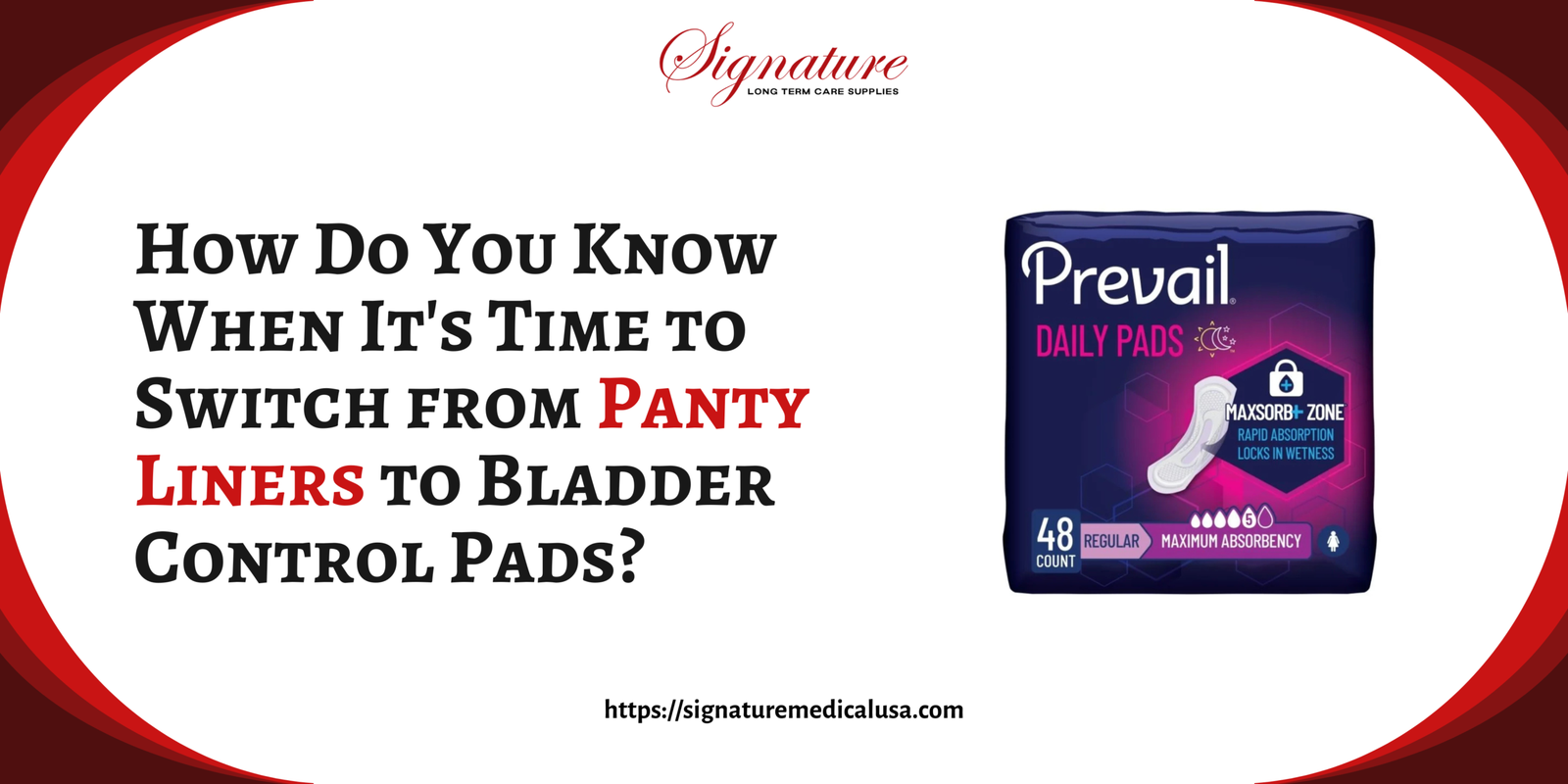
Panty liners for incontinence are thin, low-absorbency products designed for light vaginal discharge, spotting, or very minor leaks. Bladder control pads are engineered specifically for urine, which releases quickly and in larger volumes. Bladder control pads use super-absorbent polymers to wick away and hold urine leakage so you feel drier for longer.
The core issue: using period pads and pantyliners for bladder leaks can cause skin irritation because of the acid in urine. They’re simply not built for this purpose.
Signs It’s Time to Switch
- You’re changing it more than twice a day – the product has hit its limit. A bladder control pad handles greater volume with fewer changes.
- You’re noticing odor – bladder pads include odor protection, which menstrual pads don’t contain.
- You’ve had a leak through the liner – this is a capacity issue, not a fit issue.
- You’re anxious about it in public or during exercise – if you’re modifying what you do because you’re unsure the liner will hold, the protection level isn’t matching your needs.
- Your leaks are sudden rather than gradual – panty liners, even in their largest size, are thinner and less absorbent than what urge incontinence demands.
Understanding Absorbency Levels
Incontinence pads come in a range: light absorbency for occasional leaks or spotting, moderate for more frequent or heavier leaks, and maximum absorbency for the highest level of protection for significant leaks.
If you’re unsure, start in the middle. Most people find they don’t need the maximum level.
What Makes a Good Incontinence Pad for Women
- Moisture-wicking top layer – the surface facing skin should pull moisture away immediately
- Odor control built in – not present in standard panty liners or menstrual products
- Secure adhesive backing – especially important for active use
- Contoured shape – women’s pads are shaped to fit female anatomy for better side leak protection
- Discreet profile – modern products are far slimmer than older versions
A Note on Nighttime
If you have heavier nighttime incontinence, reserve incontinence panty liners for daytime use and switch to a higher-capacity product overnight. Using the same product around the clock is one of the most common reasons people leak at night even with a product they trust during the day.
Skin Health Is Part of the Decision Too
Using an under-absorbent product means skin spends more time wet. If incontinence is not handled properly, long-term health risks can include skin irritation, pressure points, urinary tract infections, and kidney disease.
The right product keeps moisture away from the skin surface, not just contained. That’s what makes incontinence-specific products genuinely different from general hygiene products.
The Switch Is Simpler Than It Feels
Better protection, fewer changes, less anxiety, healthier skin. The product does more, you manage less.
At Signature LTC Supplies, we carry light bladder leakage liners, bladder control pads, and incontinence pads for women chosen for real everyday use. Browse our incontinence range and find the fit that works.