

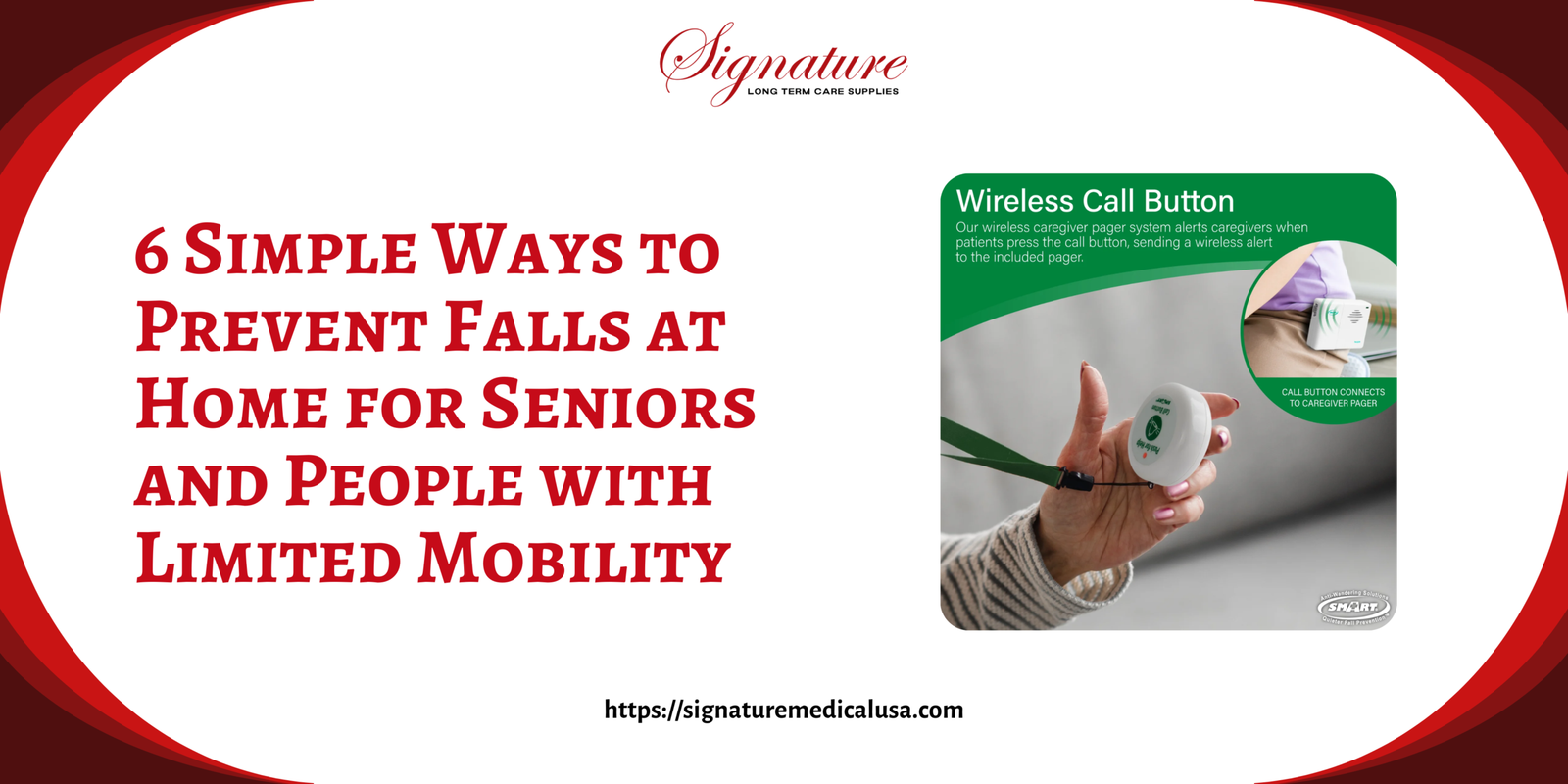
Falls are a major contributor to injuries for senior citizens and persons with limited mobility; even a minor fall can lead to serious fractures, head injury, or loss of confidence, which will greatly affect one’s daily independence. Many accidents can easily be prevented by making minor modifications to your home and utilizing proper safety equipment. Families and caregivers can assist in creating a safer living environment for their loved one by implementing safety precautions along with utilizing effective fall prevention products to foster confidence and independence.
1. Remove Common Tripping Hazards
Begin with determining the most common places to fall. The most common places to trip or fall on are loose rugs, electrical cords, cluttered hallways, or uneven flooring. The more easily you can get to frequently used items without having to reach or stretch up to get them, the less likely you are to fall.
Taking simple measures like securing carpets, organizing electrical cords, and keeping walkways clear will help decrease the chance of falling.
2. Improve Lighting Throughout the Home
One of the leading reasons for accidental falls is inadequate illumination while walking to or from the restroom or kitchen at night without a sufficient light source. Supplement existing light fixtures with brighter LED lights in hallways, staircases, and entries; these are the most effective. In addition, motion-activated lights are highly effective as they will turn on automatically with motion detected.
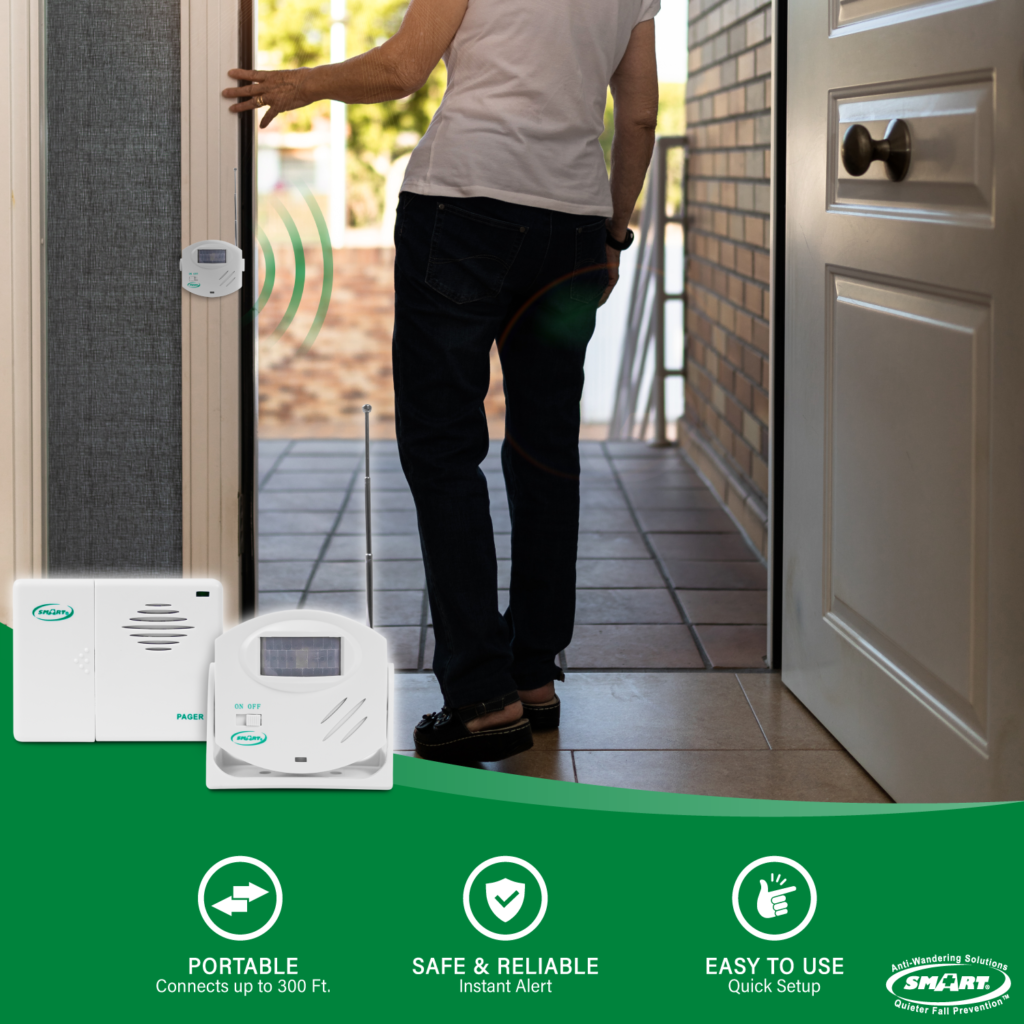
In addition, caregivers can also utilize a motion sensor alarm for overnight patient movement, which will give immediate notification alerts to the caregiver when an unexpected movement occurs. This provides additional safety for the patient being monitored, who may be at risk.
3. Install Safety Support Equipment
The areas that have the greatest risk of accidents inside your home are bathrooms and stairways. By installing grab bars near the toilet and shower, using non-slip mats on the bathroom floor, and ensuring there are secure handrails on both sides of stairways, you will be taking positive steps to protect against accidents.
In addition to having physical supports in place, you also want to purchase high-quality fall-prevention products to help make your home safer. Products that monitor movement and notify caregivers of movements will help provide peace of mind for you and/or your loved one while allowing them to maintain their independence.
4. Use Smart Monitoring Devices
Preventing slips, trips, and falls is now easier thanks to technological advancements. A mat with built-in sensors detects when someone steps onto it and immediately alerts the caregiver. Place it next to a bed or outside a door for effective fall monitoring. This is particularly beneficial for elderly patients with dementia, memory loss, or decreased ability to walk independently, who may try to get up on their own.
Likewise, elderly patients using a chair with an alarm will also alert a caregiver when the patient attempts to stand up from their chair without assistance, thereby reducing the risk of unintentional falls and ensuring that caregivers can provide timely assistance each time.
5. Encourage Safe Movement and Exercise
Exercising regularly can increase your balance, flexibility, and strength, which can help to lower your chance of falling. In particular, doing low-impact forms of exercise such as walking and stretching, and doing exercises for balance, are some ways of keeping seniors steady and confident.
Health care professionals can create exercise regimens that are specific to each individual’s level of mobility. When you combine home safety measures with regular exercise, individuals with limited mobility can reduce their risk of falling.
6. Review Medications and Footwear
A variety of medications can result in dizziness, drowsiness, or issues with balance. By consistently having medication reviews performed by a health care professional, potential risk factors can be caught and addressed. Along with regular medication reviews, wearing stable, non-slip shoes instead of socks or loose slippers also increases stability on a variety of floor surfaces.
The combination of all of these minor lifestyle modifications is also enhanced by the proper use of monitoring devices and fall prevention products to provide a more secure and safe living environment for seniors and those who experience reduced mobility.
Conclusion
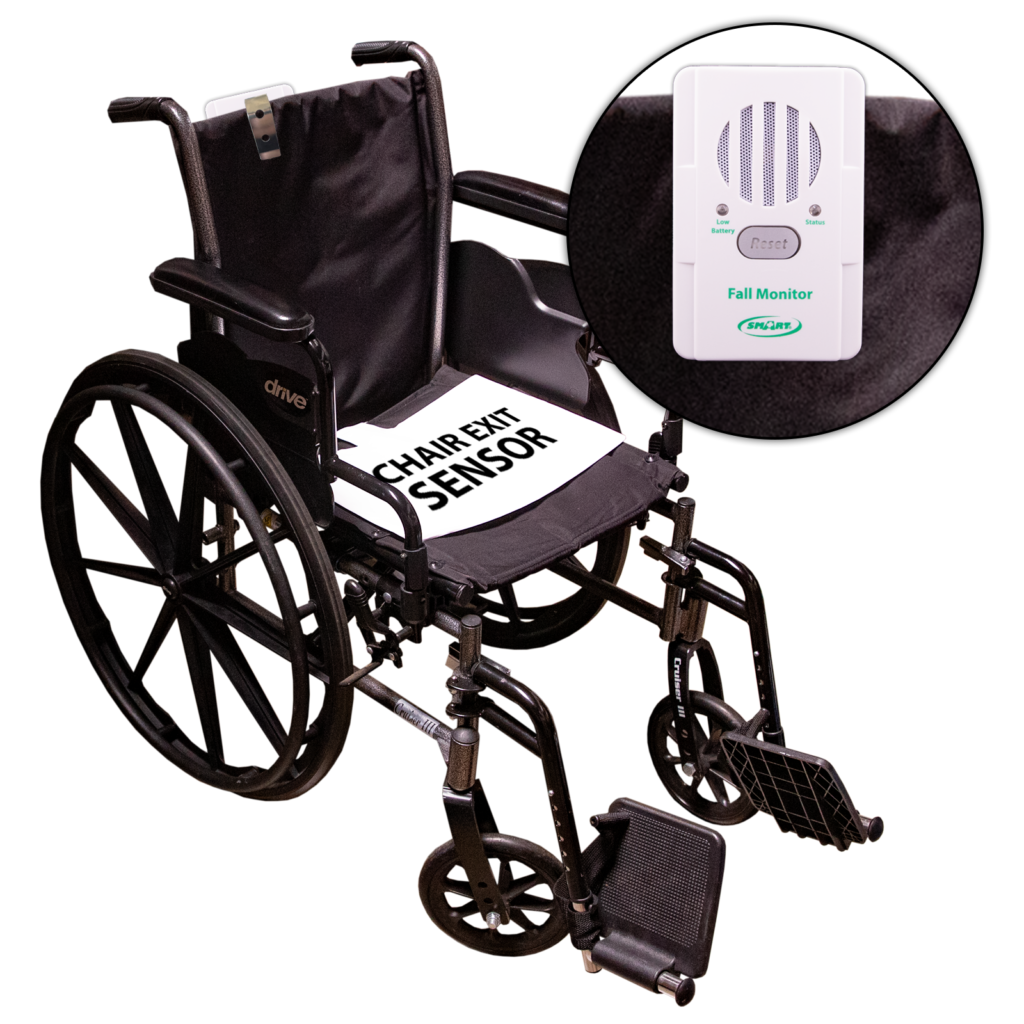
There are several steps you can take to help prevent falls – home modifications, healthy habits, and technology to monitor you. Through improving light in your home, removing hazards, and using devices such as floor sensor mats, motion detector alarms, and chair alarm for elderly users, every measure you take will increase both safety and independence. Quality fall prevention products can reduce the risk of injury and give family members and caregivers peace of mind.